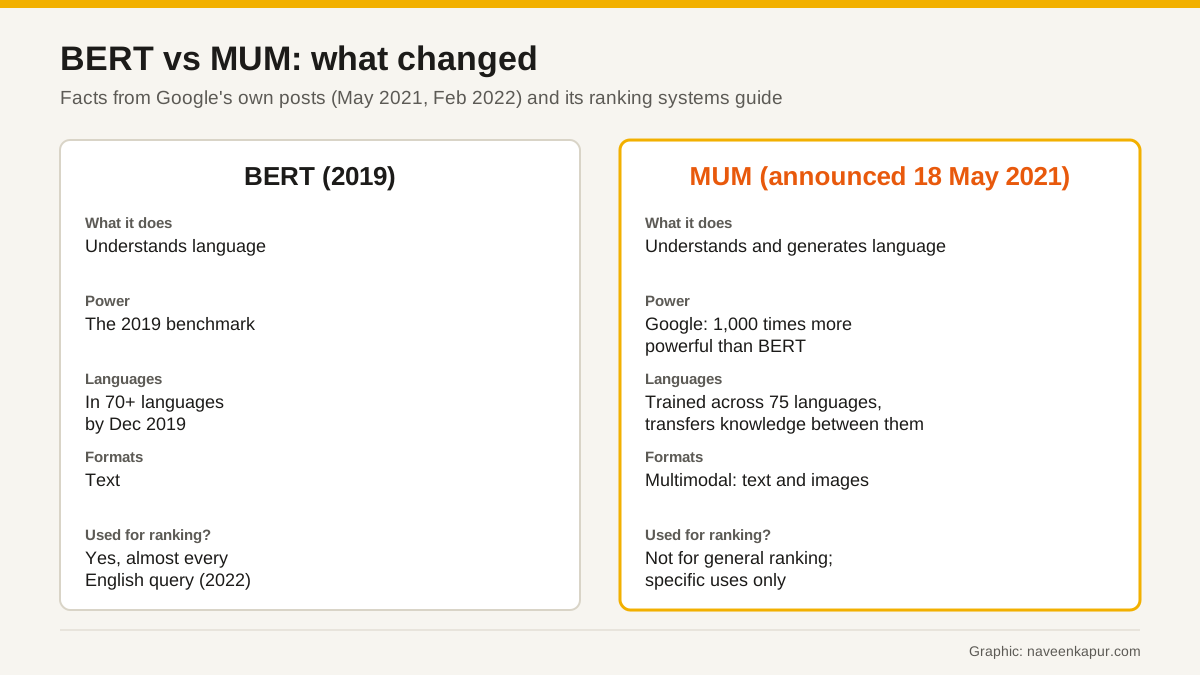
In 2019 Google added BERT to Search so it could understand the meaning of whole sentences. Two years later, on 18 May 2021, it announced the next step: MUM, the Multitask Unified Model. The announcement was bold. Google said MUM was 1,000 times more powerful than BERT.
Many SEO blogs at the time called it a “MUM update” and warned that rankings would change overnight. That did not happen, and Google's own documentation explains why. This guide covers what MUM is, what Google actually used it for, and what it means for a business website.
The problem MUM was built to solve
Google's announcement started with a hiking example. You have hiked Mt. Adams, and next autumn you want to hike Mt. Fuji. What should you do differently to prepare? Google said that today you would need many searches: the height of each mountain, the weather in autumn, the trails, the right gear. It said people issue eight queries on average for complex tasks like this.
A hiking expert could answer the whole question at once. MUM was Google's attempt to get closer to that expert. For the Fuji question, Google said MUM could work out that you are comparing two mountains, that “prepare” can mean fitness training as well as gear, and that autumn is the rainy season on Fuji, so you might need a waterproof jacket.
What Google said MUM can do
- Understand and generate language. BERT only understood language. MUM can do both. It is built on Google's T5 text-to-text framework.
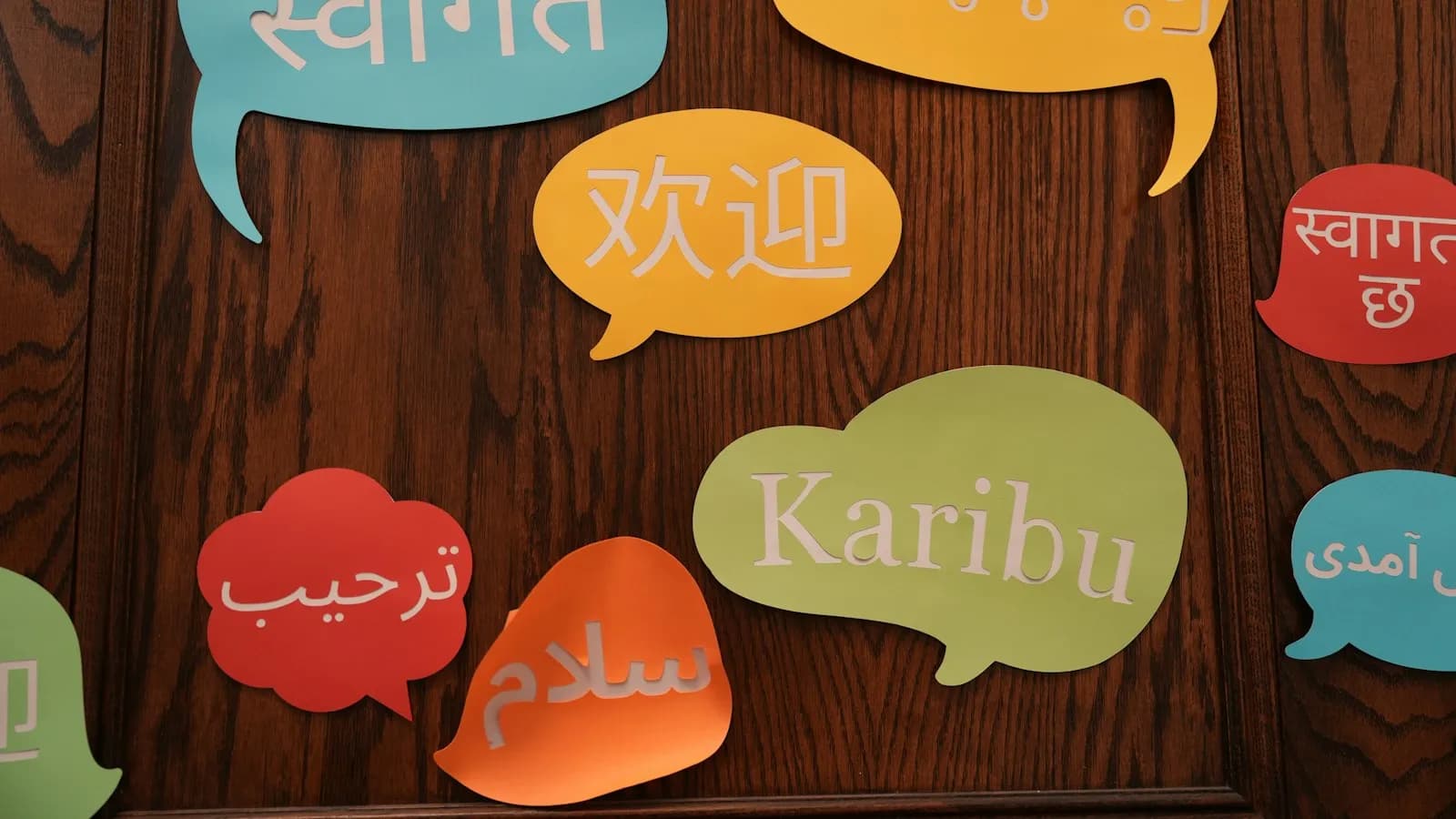
- Work across 75 languages. MUM was trained across 75 languages and many tasks at once. It can learn from a page in Japanese and use that knowledge to answer a question asked in English.
- Understand images and text together. Google's example: one day you might photograph your hiking boots and ask, “can I use these to hike Mt. Fuji?”
- Do many tasks at once. Hence “multitask”: one model trained on many jobs, rather than one model per job.
Where MUM was actually used
1. COVID-19 vaccine names (June 2021)
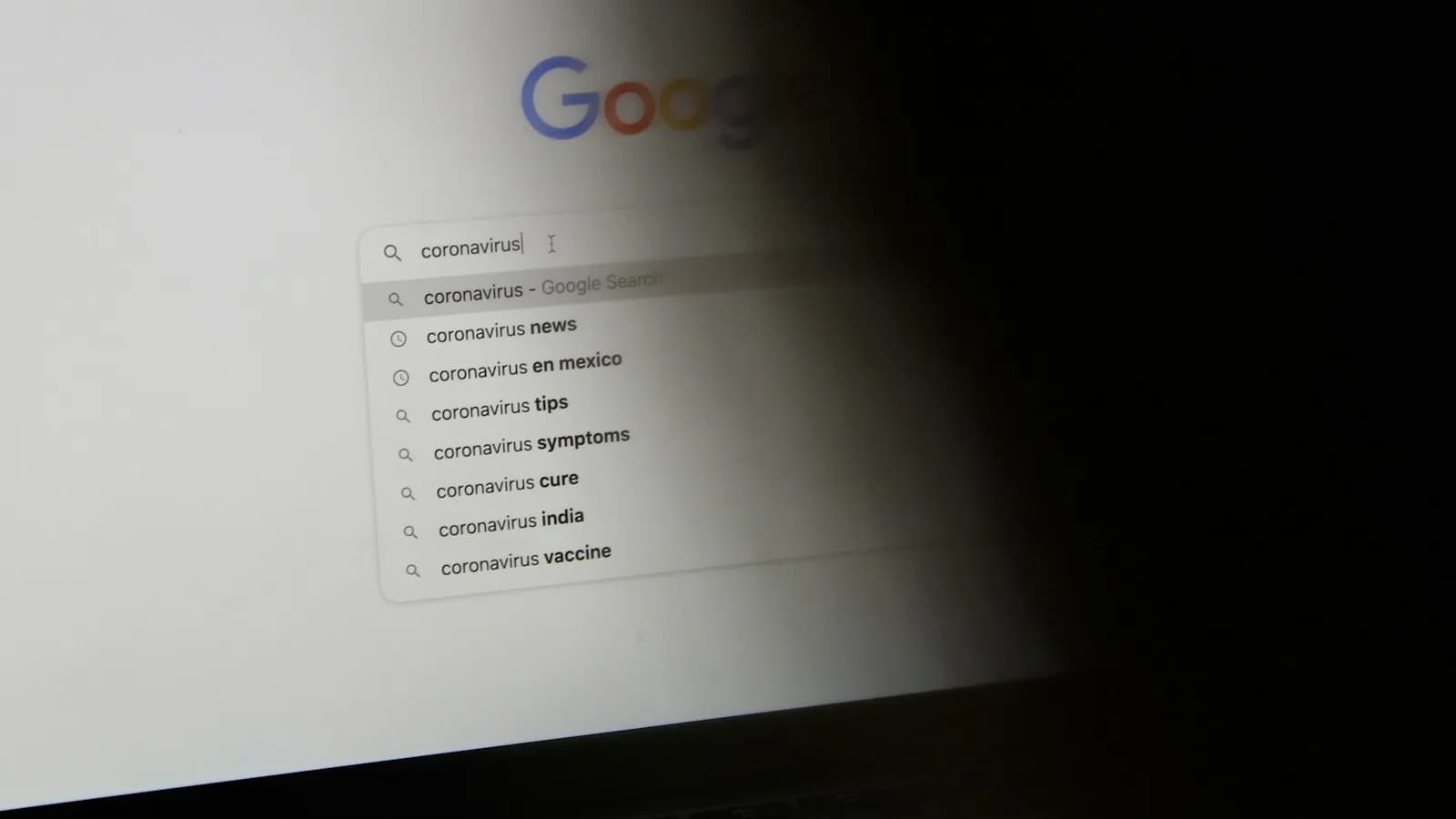
MUM's first public job was practical. AstraZeneca, Pfizer, Moderna and other vaccines had many different names around the world. Google said MUM identified over 800 variations of vaccine names in more than 50 languages in a matter of seconds, a job that would otherwise take hundreds of human hours. After checking the results, Google used them so people could find trusted vaccine information.
2. Search redesign ideas (September 2021)
At its Search On event on 29 September 2021, Google showed MUM-powered ideas: asking Lens questions about a picture (find this shirt pattern, but on socks), a “Things to know” panel for broad topics, options to refine or broaden a search, and showing related topics for videos even when the video never says those words.
3. Featured snippet callouts
Google's ranking systems guide lists one more use: MUM helps improve the featured snippet callouts Google displays. You can read about how featured snippets changed in our featured snippet deduplication guide.

Is MUM a ranking factor?
No. This is the most important point for site owners. In February 2022 Google wrote that MUM's uses were “very specialized applications”, so MUM was not then used to help rank and improve the quality of search results the way RankBrain, neural matching and BERT are. Google's current ranking systems guide still says MUM is not currently used for general ranking in Search.
What MUM still teaches content writers
Even though MUM does not rank pages, it shows where Google has been heading for years. Each step (BERT, MUM, then SGE, AI Overviews and AI Mode) moves Google from matching words to understanding the whole task behind a search. Three habits follow from that:
- 1Write for the task, not the keyword. Think about the full job the reader is trying to do and the sub-questions it includes. Answer those clearly.
- 2Use images that carry information. Google keeps investing in understanding pictures. Real photos with clear alt text, and diagrams that explain something, help both readers and search.
- 3Local language content has value. MUM was designed to transfer knowledge across languages. Good content in Hindi or another Indian language is not a second-class version of English content.
Three MUM myths
- “MUM replaced BERT.” It did not. Google's February 2022 post said BERT plays a critical role in almost every English query, and that MUM was used for specialised applications. Google's ranking systems guide lists both, and notes that MUM is not currently used for general ranking.
- “MUM penalised my site.” Google never announced a MUM ranking update. If traffic fell, look first at confirmed updates such as core updates, and at technical changes on your own site.
- “I must write in many languages now.” MUM's language skills help Google find good information whatever language it is in. Write in the language your customers use. Translating thin pages into more languages does not add value.
Quick facts
| Question | Answer |
|---|---|
| Announced | 18 May 2021, by Pandu Nayak |
| Full name | Multitask Unified Model |
| Built on | T5 text-to-text framework |
| Power vs BERT | 1,000 times more powerful (Google's claim) |
| Languages | Trained across 75 languages |
| Formats | Text and images (multimodal) |
| Used for general ranking? | No, per Google's ranking systems guide |