Many colleges, schools and local businesses in India spend on four or five kinds of marketing at once. A newspaper ad in the admission season, a stall at an education fair, seminars in schools, a few hoardings, and Google and Meta ads. Each one is planned by a different person or agency, and each one sends a different report. At the end of the season, nobody can say which rupee brought which admission.
Integrated marketing communication fixes that. It is searched about 4,400 times a month in India (OpenSEO, October 2026), mostly by students and marketers who want the textbook meaning. This guide gives the meaning in simple words, then shows how to run ATL, BTL and digital as one funnel with one lead record.
What integrated marketing communication means
Integrated marketing means every channel carries the same message, the same offer and the same call to action, and every response lands in the same place. A student who sees your hoarding, hears your radio spot and then meets your counsellor at a fair should feel it is one institution talking, not three.
The second half matters more for results: one measurement system. If the hoarding, the fair and the Google ad each send people to a different phone number, form or spreadsheet, you cannot compare them. Integration is as much about data as it is about creative.
ATL, BTL, TTL and digital in simple terms
These terms come from the advertising industry, and different textbooks draw the lines a little differently. Here is the practical version most Indian marketers use.
- ATL (above the line)
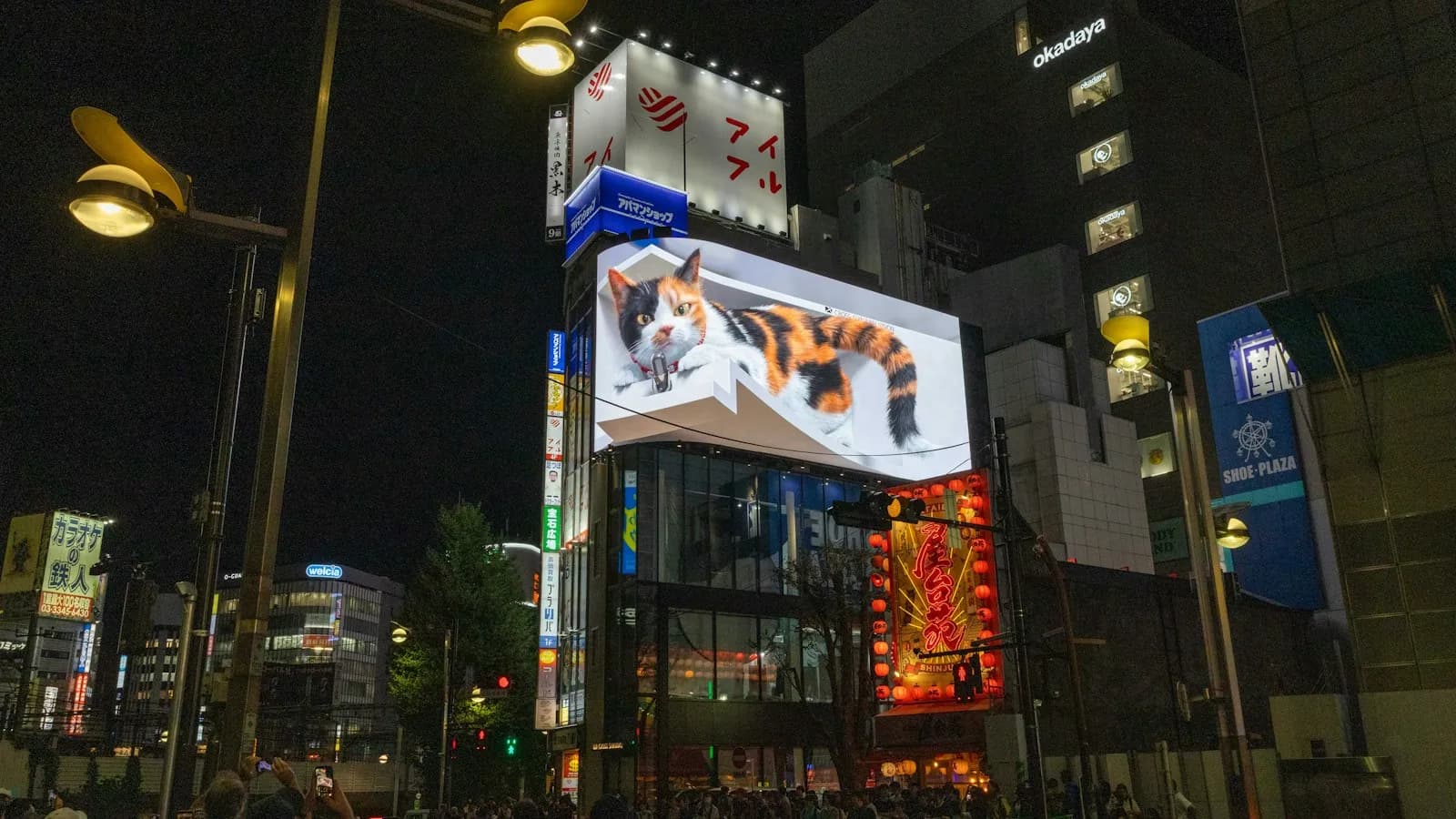
- Mass media that reaches a wide audience you do not choose one by one: newspaper, radio, TV, cinema and hoardings. Good for awareness in a city or region. Hard to measure on its own.
- BTL (below the line)
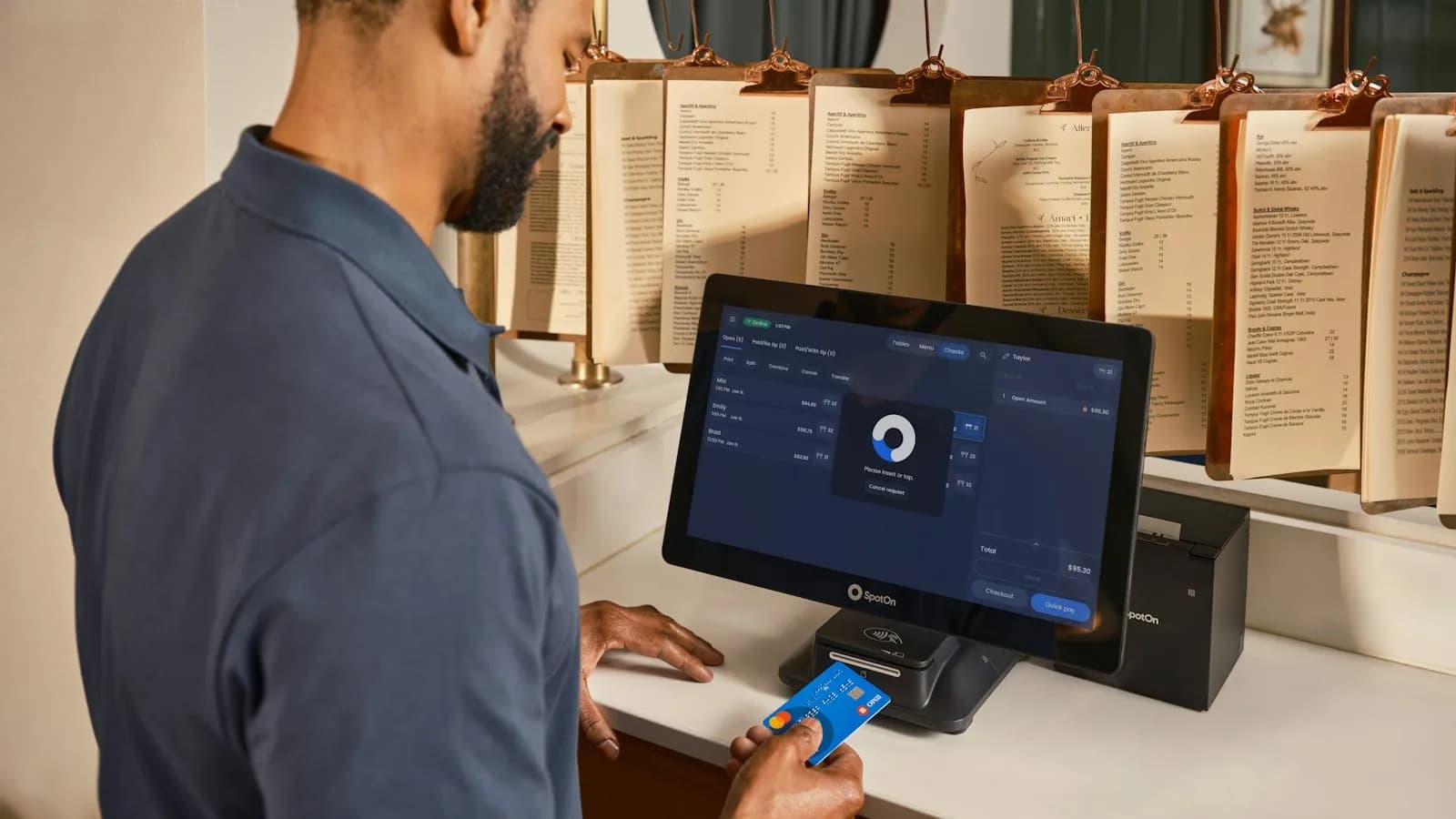
- Direct, targeted activity with a smaller audience: education fairs, roadshows, school and college seminars, campus visits, pamphlets, in-store or in-hotel promotions. Usually face to face, so easier to tie to a person.
- TTL (through the line)
- A campaign that uses ATL and BTL together around one idea, for example a radio spot that invites people to a seminar.
- Digital
- Search, social media, YouTube, WhatsApp, email and your website. Digital ads can be targeted and measured closely, and digital is also where people go to respond after seeing an ATL or BTL message.
The point of ATL and BTL marketing together is not to pick one. ATL builds the name. BTL starts conversations. Digital captures the response and keeps the conversation going. You need all three to be connected.
The one-funnel idea: one lead record for every enquiry
Think of the funnel in four steps: seen, enquired, visited (or met, or called back) and admitted (or bought). Every channel works at the top. What matters is how many people from each channel reach the bottom.
To see that, each enquiry must become one lead record in your CRM, with three fields filled from the start: source (newspaper, fair, seminar, hoarding, Google, Meta), campaign (which ad, which fair, which school) and date. Later steps, such as visit done, application made and fee paid, are added to the same record. If you are building this for a college, our guide to CRM for colleges covers the record from enquiry to enrolled.
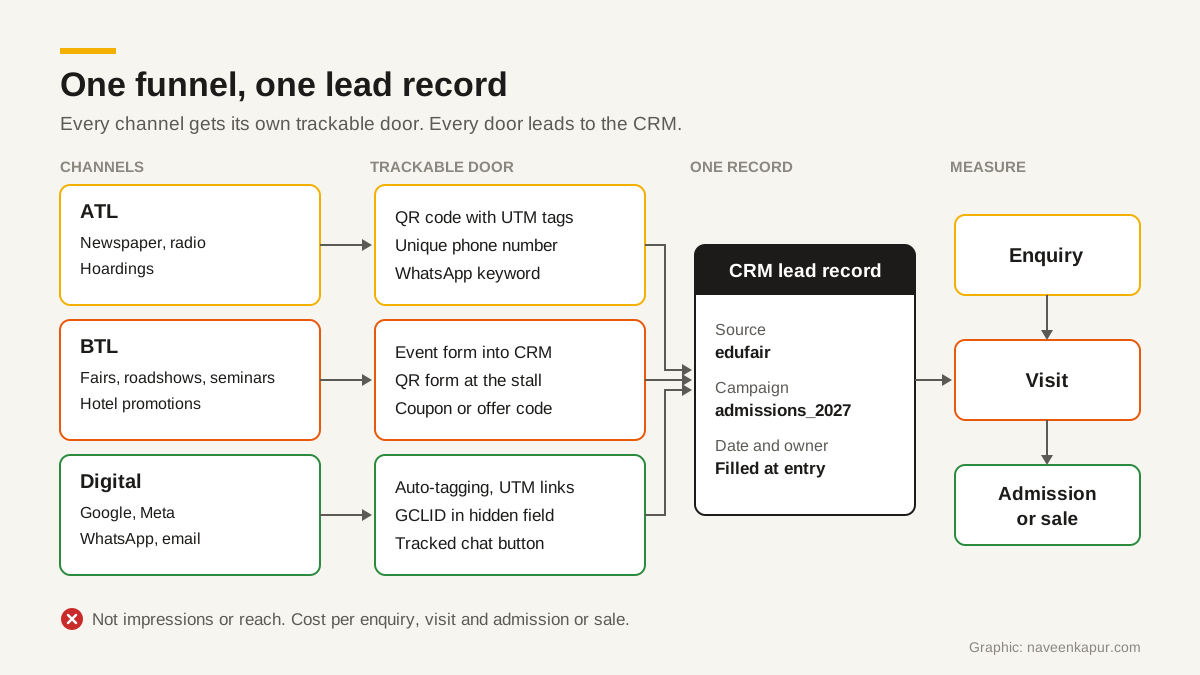
Give every channel its own trackable door
Offline media cannot be clicked, so you have to build a door that tells you where the person came from. These are the four doors that work in practice.
1. QR codes with UTM-tagged links
Put a QR code on the newspaper ad, hoarding, standee, brochure or fair banner. The QR code should open a link with UTM parameters, so Google Analytics knows the visit came from that piece of print. Google’s Analytics help says to always use utm_source, utm_medium and utm_campaign, and notes that values are case sensitive (google and Google are counted separately), so use lowercase as a standard. Google offers a free Campaign URL Builder to create these links.
For example, a QR code on a Delhi newspaper ad might open your admissions page with utm_source=newspaper, utm_medium=print and utm_campaign=admissions_2027. A QR on the fair banner would use utm_source=edufair and utm_medium=event. Write these rules down once, in a shared sheet, so every agency uses the same values.
2. Unique phone numbers and WhatsApp keywords
Many people will call or WhatsApp instead of scanning. Use a different phone number for the radio spot and the hoarding, or ask people to send a keyword, for example “FAIR” or “RADIO”, on WhatsApp. Your team or your CRM then tags the lead with that source. Keep the keyword short and easy to spell.
3. Event lead capture forms
At education fairs, roadshows and seminars, do not collect names on paper. Use a short form on a tablet or a QR code that opens a form, and send it straight into the CRM with the event name pre-filled. Paper forms get typed in days later, with errors, and many never reach the CRM at all.
4. Offers that can only be redeemed one way
A coupon, a fee-waiver code or a seminar-only form fee tells you exactly where a person came from when they use it. For the restaurants at Country Inn & Suites by Radisson, Sahibabad, Naveen Kapur built a reservation and coupon CRM where each visit is proved by a redeemed coupon. That is BTL (an in-hotel promotion) measured by what guests actually did, not by how many people saw the offer. Our guide to restaurant marketing covers this idea in detail.
Connect digital tracking to the CRM
Most offline responses still pass through your website or WhatsApp, so digital tracking holds the funnel together. Three settings matter most.
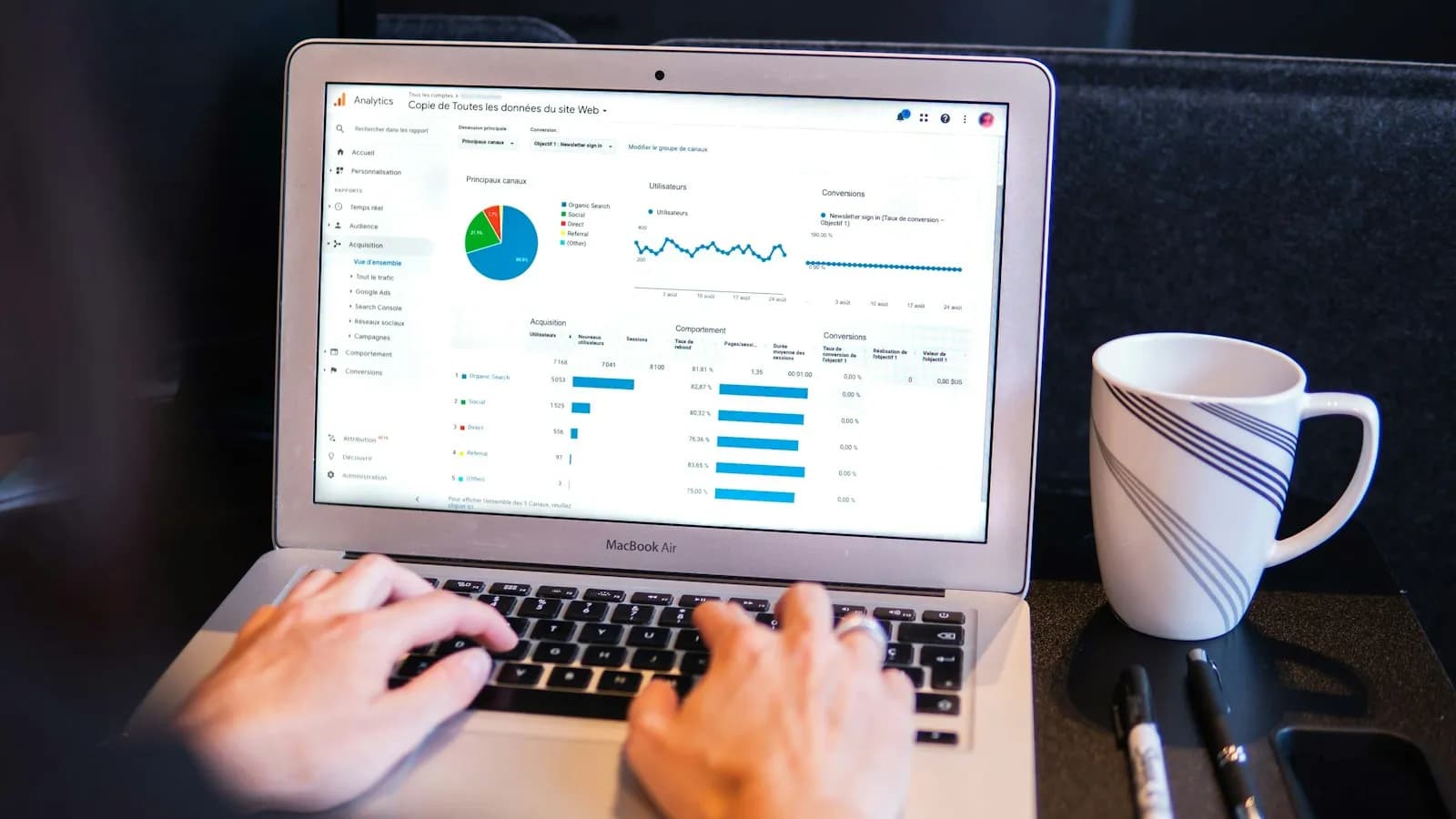
- Key events in GA4. Mark form submissions, WhatsApp clicks and call clicks as key events, so you can compare channels by actions, not page views. Our GA4 setup checklist walks through this.
- Hidden source fields on forms. Pass the UTM values and, for Google Ads, the click ID (GCLID) into hidden form fields, so the CRM record stores where the lead came from.
- Send results back to ad platforms. Google Ads can import offline conversions using the GCLID, so it learns which clicks became admissions or sales, not just form fills. Google now also offers enhanced conversions for leads, which matches hashed details such as email addresses.

A sample plan for a college admission season
Here is how one season could look for a college, as an example only. The channels and doors are real options; the plan itself is illustrative.
| Channel | Type | Trackable door | What to measure |
|---|---|---|---|
| Newspaper ad | ATL | QR code with UTM tags, plus a dedicated number | Enquiries, then visits and admissions from those enquiries |
| Radio spot | ATL | WhatsApp keyword such as RADIO | Keyword enquiries and their admissions |
| Hoardings near schools | ATL | QR code with a separate utm_campaign per location | Scans, enquiries and admissions by location |
| Education fair stall | BTL | Tablet form or QR form, event name pre-filled | Leads captured, campus visits booked, admissions |
| School seminars | BTL | Seminar-only form with school name | Enquiries per school, admissions per school |
| Google and Meta ads | Digital | Auto-tagging, UTM tags, GCLID in hidden fields | Cost per enquiry, cost per admission |
Measure enquiries, visits and admissions, not impressions
Reach, impressions and footfall at a stall tell you an activity happened. They do not tell you it worked. At the end of each month, pull three numbers per channel from the CRM: enquiries, visits (or counselling sessions, or showroom visits) and admissions or sales. Then divide the spend.
For example, say a fair stall costs Rs 1,00,000 and brings 200 leads, 40 campus visits and 10 admissions. That is Rs 500 per lead and Rs 10,000 per admission. If a newspaper ad costs the same and brings 50 leads but 12 admissions, it may be the better buy, even with fewer leads. These numbers are made up to show the sum; your own will differ.
Some ATL value will never show up in tracking, because people remember your name and search for it later. Watch branded search and direct enquiries during and after ATL bursts, and treat them as a signal, not proof.
Common mistakes to avoid
- Using the main office number on every ad, so every call looks the same.
- Each agency making up its own UTM values, so one campaign shows up as five rows.
- Paper forms at fairs that reach the CRM a week later, or never.
- Reporting impressions and likes to management instead of admissions or sales.
- Changing the message, offer or fee between the newspaper, the website and what counsellors say.
Integrated marketing is not a big agency project. It is a set of small habits: one message, one door per channel, one lead record and one monthly report based on results. If you want help setting this up across offline and online channels, see the digital marketing service page.